


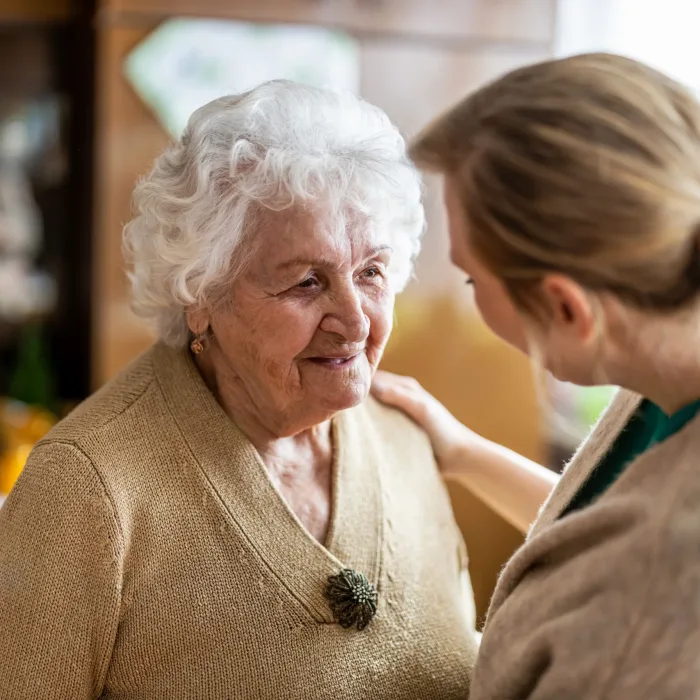







Caring for an aging parent or spouse often begins gradually—a little help with groceries here, some transportation there, medication reminders. But caregiving has a way of expanding imperceptibly until you’re suddenly overwhelmed, exhausted, and consumed by responsibilities you never consciously agreed to take on. You love your family member deeply, yet find yourself feeling resentful, depleted, and wondering how you can possibly continue.
This is caregiver burnout—a state of physical, emotional, and mental exhaustion affecting millions of family caregivers. It’s not weakness, selfishness, or failure. It’s a predictable result of taking on more than any person can sustainably handle while neglecting your own wellbeing in the process.
At Living Your Choice, we work with countless family caregivers who’ve reached breaking points, helping them recognize burnout and find solutions that preserve both their own health and their loved one’s wellbeing. Understanding caregiver burnout—recognizing warning signs, acknowledging its legitimacy, and taking action to address it—isn’t selfish. It’s essential for everyone’s welfare, including the person receiving care.
What Is Caregiver Burnout?
Defining the Condition
Caregiver burnout is a state of physical, emotional, and mental exhaustion that occurs when caregivers don’t get the help or rest they need. It happens when someone expends extraordinary energy over extended periods caring for another person without adequate support or respite.
Key Characteristics:
- Physical and emotional exhaustion
- Feeling overwhelmed and constantly worried
- Sleep disruption
- Weight changes and health problems
- Social isolation
- Depression and anxiety
- Resentment toward care recipient
- Feeling trapped with no way out
How It Develops:
Burnout rarely happens overnight. It accumulates gradually:
- Enthusiastic Start: Initially motivated by love and desire to help
- Increasing Demands: Care needs grow while caregiver adds responsibilities
- Neglecting Self: Personal needs, relationships, and health take backseat
- Chronic Stress: Ongoing demands without relief or support
- Exhaustion: Physical, emotional, and mental resources depleted
- Burnout: Feeling unable to continue, resentful, hopeless
Who’s at Risk?
High-Risk Situations:
Solo Caregivers: Those providing care alone without sibling or family support face highest burnout risk.
Caregivers of Dementia Patients: The unpredictability, behavioral challenges, and 24/7 supervision needs of dementia care create intense stress.
Live-In Caregivers: When your home is also the care setting, boundaries between caregiving and personal life dissolve.
Working Caregivers: Juggling employment and caregiving creates impossible demands.
Long-Distance Caregivers: Constant worry combined with inability to directly help generates unique stress.
Those With Own Health Problems: Caregiving while managing your own health conditions accelerates decline.
Primary Caregivers: Spouses and adult children bearing most responsibility burn out faster than those sharing duties.
Physical Signs of Caregiver Burnout
Exhaustion and Sleep Problems
Chronic Fatigue: Feeling tired regardless of how much sleep you get. Exhaustion that rest doesn’t relieve.
Sleep Disruption:
- Difficulty falling asleep despite exhaustion
- Waking frequently throughout night
- Waking too early and unable to return to sleep
- Nightmares or anxiety dreams about caregiving situations
- Sleep disrupted by loved one’s needs (calling out, wandering, needing bathroom)
Physical Depletion: Feeling physically drained—simple tasks require enormous effort.
Health Consequences
Weakened Immune System: Frequent colds, infections, illnesses. Body can’t fight off routine bugs.
Chronic Pain: Headaches, backaches, muscle tension that won’t resolve.
Digestive Issues: Stomach problems, nausea, changes in appetite, IBS symptoms.
Weight Changes: Significant weight loss or gain from stress eating or forgetting meals.
Cardiovascular Problems: Elevated blood pressure, heart palpitations, increased heart disease risk.
Chronic Conditions Worsening: Existing health problems (diabetes, arthritis, etc.) becoming harder to control.
Neglected Personal Health: Skipping doctor appointments, not taking own medications, ignoring symptoms.
Physical Manifestations of Stress
Tension: Clenched jaw, tight shoulders, constant muscle tension.
Trembling or Shakiness: Hands shaking, feeling jittery.
Dizziness or Lightheadedness: Especially when stressed or rushing.
Rapid Heartbeat: Even when not physically exerting yourself.
Emotional Signs of Caregiver Burnout
Mood Changes
Depression:
- Persistent sadness or hopelessness
- Loss of interest in things once enjoyed
- Crying frequently
- Feeling life has no purpose beyond caregiving
- Thoughts that everyone would be better off without you
Anxiety:
- Constant worry about your loved one
- Panic about the future
- Generalized anxiety extending beyond caregiving
- Feeling on edge, unable to relax
- Physical anxiety symptoms (racing heart, shallow breathing, nausea)
Irritability:
- Short temper with care recipient
- Snapping at family, friends, coworkers
- Disproportionate reactions to minor frustrations
- Feeling angry much of the time
Emotional Numbness: Feeling detached, empty, like you’re just going through motions.
Guilt and Resentment
The Guilt-Resentment Cycle:
Resentment: Feeling angry about caregiving demands, loss of your own life, lack of appreciation.
Guilt: Feeling terrible about resentment—”How can I resent someone who can’t help needing care?”
More Caregiving: Trying to compensate for guilty feelings by doing even more.
Increased Exhaustion: Leading to more resentment… and the cycle continues.
This toxic cycle is hallmark of burnout.
Manifestations:
- Resenting your loved one for being sick
- Anger at siblings who don’t help
- Resentment of friends who have freedom you don’t
- Guilt about wanting time for yourself
- Guilt about considering placement in senior community
- Shame about not feeling loving or patient
Loss of Self
Identity Erosion: Forgetting who you are beyond “caregiver.” Your own interests, personality, and goals disappearing.
Hopelessness: Believing situation will never improve, feeling trapped permanently.
Meaninglessness: Questioning whether your sacrifices matter or make any difference.
Compassion Fatigue: Difficulty feeling empathy even for person you love.
Behavioral and Social Signs of Burnout
Changes in Caregiving Behavior
Withdrawal From Care Recipient:
- Avoiding interaction beyond necessary care tasks
- Minimal conversation or engagement
- Mechanical, impersonal care delivery
- Sometimes neglecting care responsibilities from sheer exhaustion
Impatience and Harshness:
- Speaking sharply or unkindly
- Rough physical handling
- Showing frustration openly
- In extreme cases, crossing into verbal or physical abuse
Social Isolation
Withdrawing From Relationships:
- Declining invitations from friends
- Avoiding family gatherings
- Not answering phone calls
- Letting friendships fade
Why This Happens:
- Too exhausted for socializing
- Guilt about leaving care recipient
- Shame about how you’re feeling
- Nobody understands what you’re going through
- Jealousy of others’ freedom
The Problem: Social isolation worsens burnout, removing crucial support and perspective.
Neglecting Personal Life
Abandoning Self-Care:
- Skipping exercise
- Eating poorly or not at all
- Ignoring personal hygiene
- Not making time for hobbies
- Forgetting about own interests
Neglecting Other Relationships:
- Marriage suffering
- Less time and patience for children
- Strained relationships with friends
Work Problems:
- Decreased performance
- Missing work
- Unable to concentrate
- Considering quitting
Unhealthy Coping Mechanisms
Substance Use: Increased alcohol consumption, prescription medication misuse, or other substances to cope with stress.
Compulsive Behaviors: Overeating, excessive shopping, gambling, or other behaviors providing temporary escape.
Denial: Refusing to acknowledge problems, insisting “I’m fine” despite clear evidence otherwise.
Projection: Blaming others for your situation rather than addressing actual problems.
Cognitive Signs of Burnout
Concentration and Memory Problems
Mental Fog: Difficulty focusing, thinking clearly, or remembering things.
Decision-Making Challenges: Simple decisions feeling overwhelming and complicated.
Forgetfulness: Missing appointments, forgetting tasks, losing track of responsibilities.
Mental Exhaustion: Feeling like your brain just can’t process one more thing.
Negative Thinking Patterns
Catastrophizing: Imagining worst-case scenarios constantly.
All-or-Nothing Thinking: Seeing situations in black and white—either you handle everything perfectly or you’ve failed.
Personalization: Taking blame for circumstances beyond your control.
Hopeless Future Thinking: Unable to envision situation ever improving.
Why Caregiver Burnout Happens
The Perfect Storm of Factors
Unclear Expectations: Often nobody discussed what caregiving would actually entail or how long it might last.
Escalating Demands: Care needs increase gradually, each step seeming manageable until cumulative burden becomes crushing.
Lack of Control: Feeling powerless over both care situation and your own life.
Insufficient Support: Trying to do everything alone or with minimal help.
Role Confusion: Being adult child or spouse while now also being caregiver—blurred boundaries.
Unresolved Relationship Issues: Caregiving someone you have difficult history with compounds stress.
Financial Strain: Reducing work hours, spending own money on care, or facing mounting medical bills.
Lack of Respite: No breaks, no time off, relentless demands without relief.
Isolation: Feeling alone in the struggle.
Unrealistic Expectations: Believing you should be able to handle everything yourself, that good children/spouses don’t complain or need help.
Consequences of Unaddressed Burnout
Impact on Caregiver Health
Physical Breakdown: Serious health problems developing from chronic stress—heart disease, stroke, weakened immunity.
Mental Health Crisis: Clinical depression, anxiety disorders, sometimes suicidal ideation.
Relationship Destruction: Marriages failing, estrangement from other family members.
Career Loss: Unable to maintain employment, affecting long-term financial security.
Premature Death: Research shows caregivers have higher mortality rates than non-caregivers, partly due to chronic stress.
Impact on Care Recipient
Reduced Care Quality: Burned-out caregivers provide lower quality care—less patience, more mistakes, less engagement.
Safety Risks: Exhausted, overwhelmed caregivers more likely to make errors affecting loved one’s safety.
Emotional Harm: Care recipients sense resentment and impatience, damaging emotional wellbeing.
Abuse Risk: In extreme burnout, risk of neglect or abuse increases.
Delayed Placement: Sometimes caregivers struggle on far past when professional care becomes appropriate, affecting loved one’s welfare.
Addressing Caregiver Burnout
Acknowledge the Reality
First Step: Admit Burnout:
You can’t address what you won’t acknowledge. Recognizing “I’m burning out” or “I’ve already burned out” is crucial first step.
Let Go of Shame: Burnout doesn’t mean you don’t love your family member or that you’re weak. It means you’re human.
Understand It’s Not Sustainable: Continuing as-is will only worsen outcomes for everyone.
Seek Professional Help
Medical Care:
- See your own physician
- Address your health problems
- Discuss caregiver stress
- Get treatment for depression/anxiety if needed
Mental Health Support:
- Individual therapy to process emotions, develop coping strategies
- Support groups for caregivers—both general and condition-specific
- Counseling for family dynamics and communication
Geriatric Care Managers: Professionals who assess situations, coordinate care, and connect families with resources.
Get Respite Care
You MUST Have Breaks:
In-Home Respite: Hiring home health aides or companions to provide care while you rest, run errands, or engage in activities.
Adult Day Programs: Senior day centers providing daytime supervision and activities, giving you several hours of daily respite.
Overnight Respite: Some assisted living communities or skilled nursing facilities offer short-term stays giving caregivers multi-day breaks.
Family Rotation: Coordinating with siblings or other family members to share responsibilities and ensure regular relief.
Start Small: Even a few hours weekly helps. Don’t wait for multi-day vacation that never happens.
Share the Burden
Family Meetings: Discuss care needs honestly with all family members. Divide responsibilities fairly.
Hire Help: Professional caregivers, housekeepers, meal delivery—pay for support where possible.
Community Resources: Area Agencies on Aging, faith communities, volunteer organizations may offer assistance.
Don’t Be Martyr: Believing “only I can do this properly” leads to burnout. Others can help, even if differently than you would.
Set Boundaries
Recognize Your Limits: You’re not superhuman. Accepting limitations isn’t failure.
Say No: To additional requests, unreasonable demands, guilt trips about doing more.
Maintain Some Personal Life: Protect time for relationships, hobbies, exercise, rest.
Separate Identity: You are more than a caregiver. Maintain activities and connections reinforcing your identity beyond caregiving.
Consider Senior Living Options
Professional Care Isn’t Giving Up:
When caregiving becomes unsustainable, exploring senior communities that provide appropriate care isn’t abandonment—it’s responsible decision-making.
Benefits of Senior Communities:
- Professional 24/7 care
- Specialized expertise (dementia care, skilled nursing, etc.)
- Social opportunities for your loved one
- Relief from caregiving burden
- Better care than exhausted family caregiver can provide
- Preserved family relationship (visiting as loved one, not exhausted caregiver)
Living Your Choice helps families explore senior community options when home caregiving becomes unsustainable, finding communities providing excellent care while restoring caregiver wellbeing.
Practice Self-Care
Non-Negotiable Basics:
- Sleep (prioritize it, protect it)
- Nutrition (real meals, not just snacks grabbed between tasks)
- Exercise (even brief walks help enormously)
- Medical care (keep your own appointments)
- Medication compliance (take your own meds)
Mental/Emotional Care:
- Therapy or counseling
- Support groups
- Stress reduction (meditation, deep breathing, yoga)
- Activities you enjoy
- Time with friends
- Hobbies and interests
Spiritual Care (if relevant):
- Religious services
- Prayer or meditation
- Connection with faith community
- Spiritual counseling
Prevention: Avoiding Burnout Before It Starts
Set Realistic Expectations
From the Beginning:
- Understand this may be long-term commitment
- Recognize it will impact your life significantly
- Don’t assume you can handle everything alone
- Plan for support and respite from start
Build Support Network Early
Before Crisis:
- Identify potential helpers (family, friends, professionals)
- Research community resources
- Join caregiver support groups
- Establish connections with healthcare providers
- Explore senior living options (even if not needed yet)
Maintain Balance
Throughout Caregiving:
- Protect personal time and relationships
- Continue activities important to you
- Stay connected to friends
- Maintain employment if possible and desired
- Don’t let caregiving consume entire identity
Conclusion
Caregiver burnout is real, serious, and incredibly common among those caring for aging loved ones. Signs include physical exhaustion and health problems, emotional changes like depression and anxiety, social withdrawal, resentment and guilt, neglect of personal life, and cognitive difficulties. Left unaddressed, burnout harms both caregiver and care recipient.
Addressing burnout requires acknowledging the reality, seeking professional help, getting regular respite, sharing responsibilities, setting boundaries, practicing self-care, and sometimes considering professional care in senior communities. These aren’t selfish actions—they’re necessary for everyone’s wellbeing.
If you’re experiencing burnout, know that you’re not alone, you’re not failing, and help is available. Taking action to address burnout allows you to provide better care while preserving your own health and the loving relationship you cherish.
Living Your Choice is dedicated to enhancing the quality of life for seniors by helping locate the right type of senior community based on personal preferences and lifestyle. When family caregiving becomes unsustainable, we help families explore professional care options that restore everyone’s wellbeing while ensuring excellent care.
Are you experiencing caregiver burnout? What’s been most challenging? Share your experience in the comments below—your story might validate others struggling silently.
Feeling overwhelmed by caregiving and wondering about options? Contact Living Your Choice at https://www.livingyourchoice.com/ to discuss your situation and explore senior communities offering professional care that could provide relief while ensuring your loved one receives excellent support—because ultimately, it’s your choice.
