


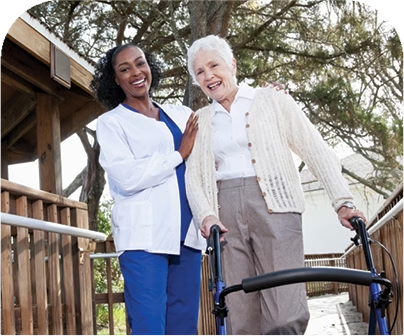
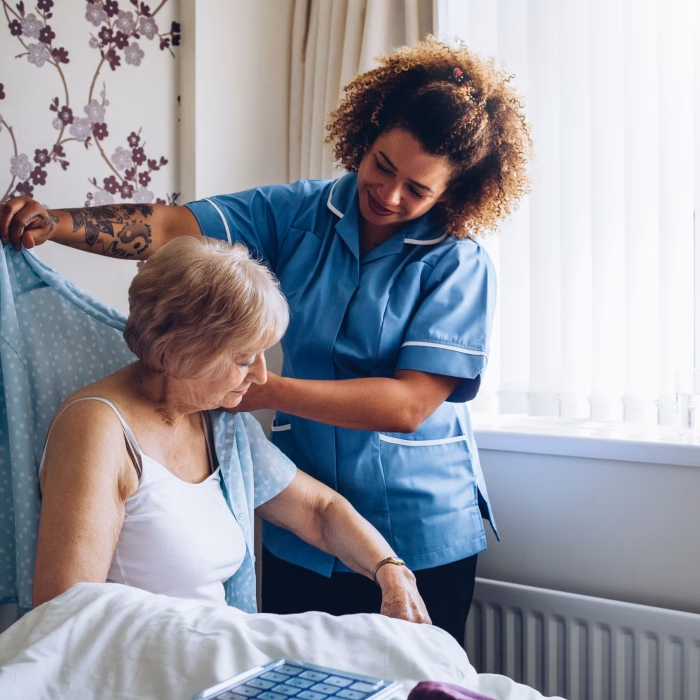


When most people hear “healthy aging,” they envision elderly individuals who’ve miraculously avoided illness, maintaining the vigor of someone decades younger. This unrealistic standard sets seniors up for disappointment and overlooks what healthy aging truly means—adapting successfully to age-related changes while maintaining quality of life, purpose, and engagement.
Healthy aging isn’t about denying the reality of getting older or comparing yourself to exceptional outliers. It’s about maximizing wellbeing across physical, mental, emotional, and social dimensions within the context of your unique circumstances. It recognizes that health in later life looks different than health at 30, and that’s perfectly normal and acceptable.
At Living Your Choice, we help families understand realistic expectations for aging while identifying senior communities that support comprehensive wellbeing at every stage. Understanding what healthy aging actually looks like—versus idealized or outdated stereotypes—empowers seniors and families to make choices that genuinely enhance quality of life.
Redefining Health in Later Life
Beyond Absence of Disease
Traditional definitions equate health with absence of illness. By this measure, few seniors would qualify as “healthy” since most Americans over 65 manage at least one chronic condition. This narrow definition is both inaccurate and discouraging.
Modern Definition of Healthy Aging:
The World Health Organization defines healthy aging as “developing and maintaining the functional ability that enables wellbeing in older age.” This shifts focus from disease presence to functional capacity and quality of life.
Functional ability means having capabilities enabling you to:
- Be and do what you value
- Meet basic needs independently or with appropriate support
- Learn, grow, and make decisions
- Build and maintain meaningful relationships
- Contribute to society in ways that matter to you
- Move safely through your environment
Someone managing diabetes, arthritis, and high blood pressure can still age healthily if they maintain functional abilities, engagement with life, and satisfaction with their circumstances.
Realistic Expectations
What’s Normal in Aging:
- Some decline in physical strength, endurance, and flexibility
- Changes in sleep patterns (lighter sleep, waking more frequently)
- Slower processing speed and reaction time
- Some memory changes (occasional forgetfulness, tip-of-tongue moments)
- Decreased efficiency in some organ systems
- Changes in vision and hearing requiring correction
- Shifts in metabolism and body composition
- Some stiffness or mild aches
What’s NOT Normal and Requires Attention:
- Dementia or significant cognitive impairment affecting daily function
- Inability to perform basic daily activities without help
- Chronic pain severely interfering with quality of life
- Clinical depression or persistent hopelessness
- Complete social isolation
- Frequent falls
- Severe mobility limitations preventing independence
- Unintended significant weight loss
Understanding this distinction prevents dismissing concerning symptoms as “just getting old” while avoiding panic over normal aging changes.
Physical Health in Healthy Aging
Movement and Activity
Staying Active Matters More Than Peak Fitness:
You don’t need to run marathons or lift heavy weights. Regular, moderate physical activity—even gentler forms—provides tremendous benefits for healthy aging:
Walking: The most accessible exercise. Even 20-30 minutes daily improves cardiovascular health, maintains bone density, supports mental health, and helps manage weight.
Strength Training: Light resistance exercises using bands, light weights, or bodyweight movements preserve muscle mass and bone density, preventing frailty that compromises independence.
Balance Work: Tai chi, yoga, or simple standing balance exercises dramatically reduce fall risk—one of the greatest threats to senior independence.
Flexibility: Regular stretching maintains range of motion, making daily activities like dressing, bathing, and reaching easier.
Low-Impact Options: Swimming, water aerobics, cycling, chair exercises accommodate various ability levels and joint conditions.
The Key: Consistency matters far more than intensity. Regular gentle activity beats occasional intense workouts and is more sustainable long-term.
Nutrition That Supports Aging Bodies
Dietary Priorities Shift With Age:
Adequate Protein: Older adults need sufficient protein to maintain muscle mass (sarcopenia prevention). Aim for protein at each meal—lean meats, fish, eggs, beans, dairy, nuts.
Hydration: Thirst sensation diminishes with age, increasing dehydration risk. Conscious effort to drink water throughout the day is essential.
Nutrient Density: With potentially smaller appetites, every bite should pack nutritional value. Focus on vegetables, fruits, whole grains, lean proteins, healthy fats rather than empty calories.
Calcium and Vitamin D: Critical for bone health, especially important for women post-menopause and anyone at osteoporosis risk.
Fiber: Prevents constipation (common issue in older adults) and supports digestive health, heart health, and blood sugar control.
Heart-Healthy Fats: Omega-3 fatty acids from fish, nuts, and olive oil support cardiovascular and cognitive health.
Limit Sodium: Reduces blood pressure concerns and fluid retention.
Socialized Eating: Sharing meals improves food intake and enjoyment—one reason senior community dining programs benefit health beyond just nutrition.
Sleep and Rest
Quality Over Quantity:
Sleep patterns change with age—lighter sleep, more awakenings, earlier bedtimes and wake times. This is normal. However, quality restorative sleep remains crucial for:
- Cognitive function and memory consolidation
- Physical repair and recovery
- Immune system function
- Mood regulation
- Fall prevention (fatigue increases fall risk)
Supporting Better Sleep:
- Consistent sleep schedule
- Dark, cool, quiet bedroom
- Limited screen time before bed
- Regular daytime activity (but not too close to bedtime)
- Limited caffeine and alcohol
- Managing chronic pain that disrupts sleep
- Treating sleep disorders (sleep apnea, restless leg syndrome)
Preventive Healthcare
Healthy Aging Includes Proactive Medical Care:
Regular Check-ups: Annual physicals, age-appropriate screenings (colonoscopy, mammograms, bone density, vision, hearing).
Chronic Condition Management: Keeping diabetes, hypertension, heart disease, COPD, and other conditions well-controlled through medication compliance, lifestyle management, and regular monitoring.
Medication Review: Periodic review of all medications with physician to eliminate unnecessary prescriptions, check for interactions, and ensure dosages remain appropriate.
Vaccinations: Flu shots annually, COVID boosters as recommended, pneumonia vaccine, shingles vaccine, and others per physician guidance.
Dental Care: Regular dental check-ups and good oral hygiene—oral health impacts overall health significantly.
Vision and Hearing: Regular testing and appropriate correction—both impact safety, social engagement, and quality of life.
Fall Prevention: Balance assessments, home safety evaluations, appropriate footwear, assistive devices when needed.
Cognitive Health in Healthy Aging
Mental Stimulation and Learning
The Brain Remains Plastic:
Neuroplasticity—the brain’s ability to form new connections—continues throughout life. Mentally stimulating activities support cognitive health:
Lifelong Learning: Classes, workshops, educational programs, learning new skills (instruments, languages, technology, hobbies) challenge the brain.
Reading: Books, articles, newspapers keep mind engaged and vocabulary sharp.
Puzzles and Games: Crosswords, Sudoku, card games, chess, brain training apps provide cognitive exercise.
Creative Activities: Painting, writing, music, crafts engage different cognitive pathways.
Meaningful Conversation: Deep discussions about ideas, current events, personal experiences stimulate thinking.
Technology Engagement: Learning to use computers, tablets, smartphones keeps seniors connected and mentally challenged.
The key: Novel, challenging activities that require learning provide more cognitive benefit than repetitive familiar tasks.
Memory and Cognitive Function
Normal Age-Related Changes:
- Occasional forgetfulness (names, where you put things)
- Slower information processing
- More time needed to learn new information
- Tip-of-tongue moments
- Needing to write things down more often
Strategies for Supporting Memory:
- Routines and systems (always putting keys in same place)
- Lists and calendars
- Associations and mnemonics
- Staying organized
- Focusing attention (minimizing multitasking)
- Adequate sleep
- Physical exercise (boosts cognitive function)
- Social engagement
- Managing stress
When to Seek Evaluation:
- Memory problems interfering with daily function
- Getting lost in familiar places
- Difficulty with familiar tasks
- Language problems beyond normal word-finding
- Poor judgment affecting safety
- Personality changes
Purpose and Engagement
Cognitive Health Requires Purpose:
Minds thrive when engaged in meaningful activities. Healthy aging includes:
Continued Contributions: Volunteering, mentoring, helping family, community involvement provide purpose and cognitive stimulation.
Hobbies and Interests: Pursuing passions—gardening, photography, woodworking, collecting—keeps mind active and provides satisfaction.
Goal-Setting: Having things to look forward to and work toward maintains motivation and cognitive engagement.
Adapting Interests: As abilities change, finding ways to continue meaningful activities in modified forms sustains engagement.
Senior communities supporting healthy aging offer diverse programming allowing residents to discover new interests and continue pursuing existing passions.
Emotional and Mental Health in Healthy Aging
Emotional Wellbeing
Mental Health Matters at Every Age:
Healthy aging absolutely includes emotional health—unfortunately, this dimension is often neglected.
Common but NOT Normal:
- Clinical depression
- Persistent anxiety
- Grief that doesn’t resolve
- Chronic loneliness
- Feelings of worthlessness
These conditions are treatable and shouldn’t be dismissed as inevitable parts of aging.
Supporting Emotional Health:
Professional Help When Needed: Therapy, counseling, and psychiatric medication help older adults just as effectively as younger people.
Social Connection: Strong relationships are among the most powerful predictors of healthy aging and longevity.
Purpose and Meaning: Feeling valued and having reasons to get up each day profoundly impacts emotional wellbeing.
Stress Management: Mindfulness, meditation, relaxation techniques, hobbies, and enjoyable activities manage stress.
Gratitude Practices: Focusing on positives—what you can do, relationships you have, experiences you’ve enjoyed—supports mental health.
Physical Activity: Exercise is a powerful mood elevator and anxiety reducer.
Adapting to Change and Loss
Healthy Aging Includes Resilience:
Later life inevitably brings losses—loved ones, abilities, roles. Healthy aging doesn’t mean avoiding grief but rather:
Acknowledging Losses: Allowing yourself to grieve changes honestly.
Seeking Support: Talking with friends, family, counselors, or support groups.
Finding New Meaning: Discovering new purposes and sources of satisfaction as old ones change.
Maintaining Hope: Focusing on what remains possible rather than only what’s lost.
Accepting Help: Recognizing that independence sometimes means knowing when to accept appropriate support.
Senior communities can provide crucial support during transitions—social connections, professional assistance, and environments designed to support changing needs.
Social Health in Healthy Aging
Relationships and Connection
Social Engagement is Critical for Healthy Aging:
Research consistently shows social connection impacts health as significantly as smoking, blood pressure, obesity. Lonely seniors face:
- Higher mortality risk
- Increased dementia risk
- More depression and anxiety
- Poorer physical health
- Faster cognitive decline
Maintaining Social Health:
Nurture Existing Relationships: Regular contact with family and longtime friends.
Build New Connections: Joining clubs, classes, volunteer groups, religious communities creates new friendships.
Intergenerational Relationships: Connections with younger people provide different perspectives and energy.
Casual Social Interactions: Even brief pleasant exchanges (chatting with neighbors, baristas, store clerks) contribute to wellbeing.
Give and Receive Support: Balanced relationships where you both offer and accept help.
This is a major reason many seniors thrive in senior communities—built-in social opportunities combat isolation common among those aging at home alone.
Community Engagement and Contribution
Staying Connected to Broader Community:
Healthy aging includes remaining part of communities beyond just family:
Volunteering: Contributing skills and time to causes you care about provides purpose and social connection.
Religious/Spiritual Communities: For many, faith communities provide meaning, support, and belonging.
Civic Engagement: Voting, attending community meetings, staying informed about local issues maintains connection.
Cultural Activities: Museums, theaters, concerts, libraries keep you engaged with broader culture.
Mentoring: Sharing wisdom and experience with younger generations.
Advocacy: Using your voice on issues affecting seniors or causes you’re passionate about.
These activities maintain sense of relevance and contribution rather than feeling sidelined from society.
Healthy Aging Across Different Settings
At Home
Aging at home successfully requires:
- Safe, accessible environment
- Social connections and activities
- Access to healthcare
- Help with tasks becoming difficult
- Transportation for errands and appointments
- Technology for staying connected
- Plans for increasing support needs
In Senior Communities
Quality senior communities support healthy aging by providing:
Independent Living: Maintenance-free living, social opportunities, activities, convenient services for active seniors.
Assisted Living: Personal care support enabling participation in wellness activities residents couldn’t manage independently.
Memory Care: Programming specifically designed to support cognitive function and engagement for those with dementia.
Comprehensive Wellness Programs: Fitness classes, nutrition support, health monitoring, engaging activities across all care levels.
The best senior communities don’t just provide care—they actively promote healthy aging through intentional programming and environments supporting physical, cognitive, social, and emotional wellbeing.
Barriers to Healthy Aging
Ageism and Stereotypes
Negative Attitudes Undermine Healthy Aging:
When society views aging only through decline and loss, it becomes self-fulfilling prophecy. Ageist attitudes lead to:
- Seniors internalizing negative stereotypes
- Healthcare providers dismissing symptoms as “just age”
- Reduced opportunities for engagement and contribution
- Social isolation
- Decreased motivation for healthy behaviors
Combating ageism means recognizing aging brings both challenges and opportunities—wisdom, perspective, freedom from certain pressures, more time for pursuits you value.
Social and Economic Factors
Health Disparities Exist:
Access to healthy aging isn’t equal:
- Income affects nutrition, healthcare access, safe housing
- Education correlates with health literacy and preventive care
- Geographic location impacts healthcare availability
- Race and ethnicity correlate with health outcomes due to systemic inequities
Acknowledging these realities while working to address them is important.
Lack of Information and Support
Many seniors and families don’t know:
- What healthy aging looks like
- What resources exist
- How to access appropriate support
- What normal vs. concerning changes are
- How to plan proactively
This is where organizations like Living Your Choice provide value—helping families understand aging, access appropriate resources, and make informed decisions.
Conclusion
Healthy aging today looks different than outdated stereotypes suggest. It’s not about miraculously avoiding illness or maintaining 30-year-old capabilities. Instead, it’s about maximizing functional ability, maintaining quality of life, staying engaged physically, mentally, socially, and emotionally, adapting successfully to changes, and continuing to find meaning and purpose throughout later life.
Healthy aging happens across various settings—at home with appropriate support, in independent living communities, even in assisted living when health conditions require care. What matters isn’t the location but rather the comprehensive support for wellbeing across all dimensions of health.
Understanding realistic expectations for aging while refusing to accept decline as inevitable empowers seniors and families to make choices supporting the healthiest, most fulfilling later years possible.
Living Your Choice is dedicated to enhancing the quality of life for seniors by helping locate the right type of senior community based on personal preferences and lifestyle. We help families find communities that don’t just provide care but actively support comprehensive healthy aging—physical, cognitive, emotional, and social wellbeing.
What does healthy aging look like to you? What aspects of wellbeing matter most as you age? Share your perspective in the comments below—your insights might inspire other readers.
Looking for senior communities that support healthy aging? Contact Living Your Choice at https://www.livingyourchoice.com/ to explore communities prioritizing comprehensive wellbeing and helping residents thrive throughout their later years—because ultimately, it’s your choice.
